

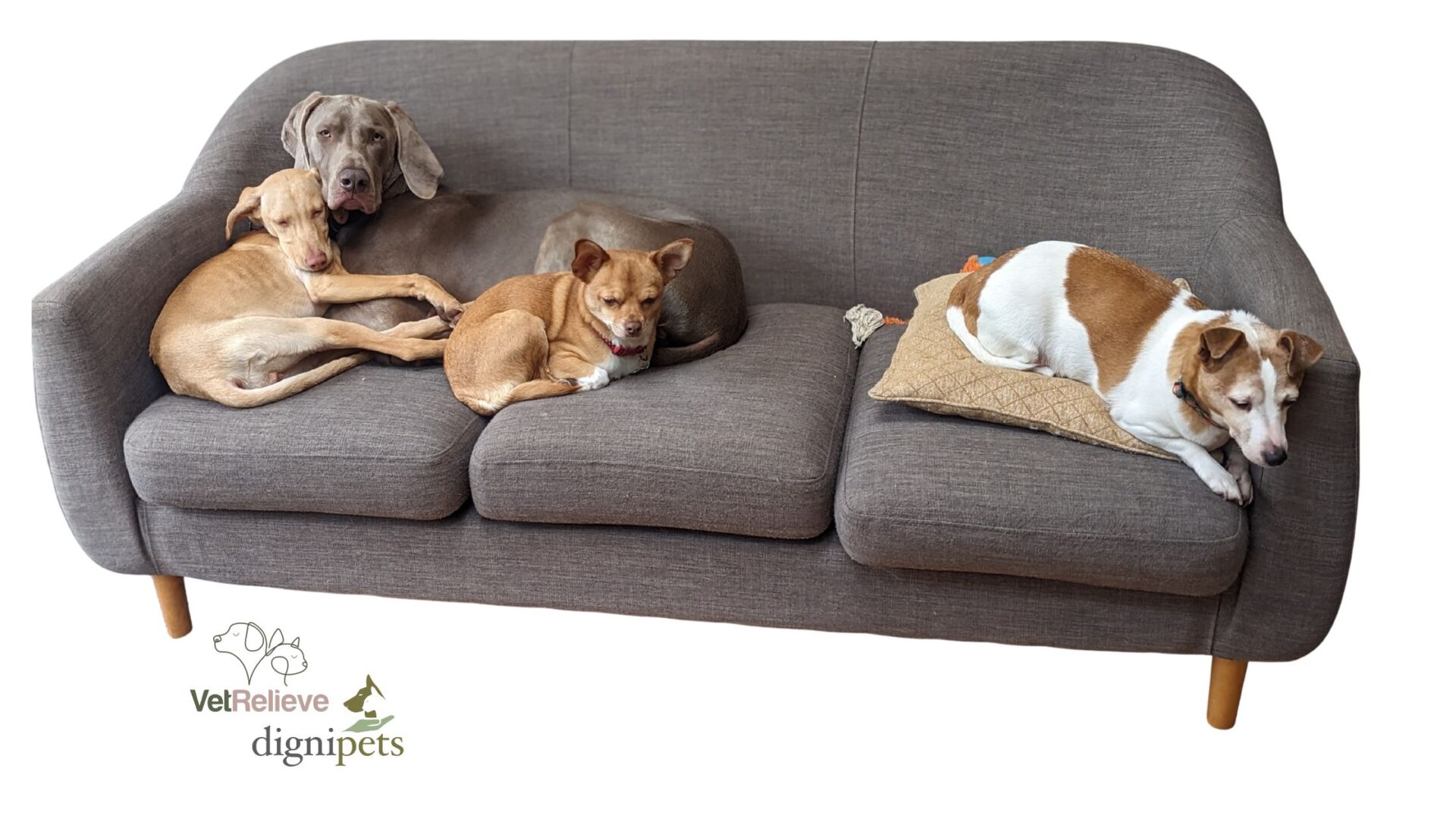
An orthopaedic dog bed, such as the OrthoLuxe range from VetRelieve, provides essential comfort and physical support for your dog during hospice care. Your dog may lose or experience reduced mobility, you may see increasing signs of joint pain, and they are likely to spend much more time resting. Given these common changes, the right bed can be a core part of hospice care and providing a hospice environment at home. Our OrthoLuxe beds help relieve pressure on joints, and give them a secure, familiar place to relax, which can lead to a deeper and more restful night’s sleep.
Hospice care focuses on maintaining comfort, and your dog’s orthopaedic bed becomes a daily tool that eases your dog’s physical struggles and enhances their emotional well-being. By cushioning sensitive joints and evenly supporting your dog’s body evenly, the bed helps your dog feel safer, calmer, and more cared for during a very vulnerable stage of life. For you, it becomes a meaningful way to give your dog dignity, peace, and love at home.
Alongside physical comfort, the Dignipets Quality of Life (QoL) scoring app can be a valuable companion tool during this time. It allows you to monitor your dog’s wellbeing day by day, tracking changes in comfort, mobility, and mood — giving you and your vet a clearer picture of how your dog is coping throughout their hospice journey.
Why is an orthopaedic bed especially important for my dog in their final stage of life?
As your dog reaches the end of life, conditions like arthritis, hip dysplasia, cancer, nerve issues, and general weakness and muscle mass loss can make lying down, shifting, or getting up much more painful. An orthopaedic bed made with high-density orthopaedic foam helps by absorbing this pressure and moulding to your dog’s natural shape. This reduces the strain placed on their joints, which can allow your dog to rest for longer periods without discomfort. When your dog begins losing muscle mass or strength, the protective soft tissues between their bones and their sleep surface becomes thinner. Because hospice care is all about giving your dog comfort rather than trying to cure illness, a supportive bed becomes a truly meaningful thing you can offer them each day.
To help you track these changes, the Dignipets QoL scoring app includes daily pain and comfort assessments you can complete at home. By logging scores regularly, you’ll be able to spot patterns, share meaningful data with your vet, and feel more confident that your dog’s pain is being managed as effectively as possible.
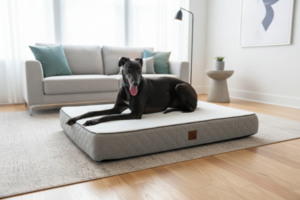
How can an orthopaedic bed help manage my dog’s pain?
Pain management is one of the most important parts of hospice care. An orthopaedic bed such as the OrthoLuxe range from VetRelieve directly helps reduce the pressure on your dog’s joints and vulnerable soft tissues when resting. Orthopaedic foam distributes your dog’s weight evenly so pressure isn’t concentrated on fragile areas like hips, elbows, or the spine. This helps prevent pressure sores, which immobile dogs are at high risk of developing, especially if paired with reduced bladder control. The bed also absorbs the impact of movement, making it much easier for your dog to comfortably shift positions. Over time, many owners notice their dogs show fewer signs of discomfort, settle down more easily, and sleep more peacefully because the bed naturally reduces pain alongside any medications or supportive therapies.
Will an orthopaedic bed help my dog move more easily?
Yes, the stable support of an orthopaedic bed can help your dog stand up with less stiffness and strain. Instead of sinking into soft or uneven surfaces, your dog has a firm, supportive base that lets them push up more comfortably. This small improvement can make a significant difference in daily mobility, allowing your dog to maintain small routines such as walking to their water bowl, greeting family members, or going outside briefly, for as long as possible. Even in hospice care, preserving these small movements helps maintain your dog’s sense of independence and connection to their surroundings. It can also help maintain muscle tone and reduce stiffness throughout the day.
Can an orthopaedic bed help my dog sleep better during hospice care?
Absolutely. Deep, peaceful rest becomes very important at the end of life, and high‑quality orthopaedic foam supports your dog’s body in a way that reduces tossing, discomfort, and restlessness. The foam contours to your dog’s frame, keeping their spine aligned and improving circulation, which helps reduce numbness and stiffness. Dogs who rest comfortably tend to wake up calmer, happier, and more alert. Many hospice dogs also experience anxiety, and a soft, supportive surface can help them feel more grounded and secure. Better sleep improves your dog’s mood and makes their waking moments more comfortable and engaged.
Sleep quality is one of the key indicators tracked in the Dignipets QoL scoring tool. If you notice improvements in how settled and rested your dog seems after introducing an orthopaedic bed, logging this in the app creates a helpful record to share with your vet or hospice support team.
Is an orthopaedic bed durable enough for long‑term hospice use?
Yes. Orthopaedic beds from VetRelieve are made with orthopaedic foam, and strong covers are designed to withstand constant use, which is essential when your dog spends most of their day resting. The foam maintains its shape and support without flattening, ensuring your dog receives consistent relief day after day. Al our beds include waterproof or washable covers—an important feature for dogs experiencing incontinence or reduced bladder control. The durable materials also resist damage from repositioning, scratching, or shifting. This makes the bed a dependable, long‑lasting tool throughout your dog’s hospice journey.

How will an orthopaedic bed support my dog emotionally during hospice care?
Comfort directly affects your dog’s emotional state, especially when they feel vulnerable or confused. A supportive bed provides a predictable, cozy environment that helps reduce stress and promote emotional security. When pain is controlled, your dog can relax more fully, which leads to calmer behaviour and more meaningful interactions with you. Many dogs seek out their bed as a safe retreat, and having a comfortable spot near where the family spends time helps them stay emotionally connected. This connection becomes increasingly important as your dog navigates the final stage of life.
Emotional wellbeing is a core part of the Dignipets QoL assessment. The app helps you reflect on your dog’s happiness, engagement, and emotional state alongside their physical comfort — giving you a holistic picture of their quality of life and helping you feel more supported as a carer.
Can an orthopaedic bed help make my dog’s end‑of‑life moments more peaceful?
Yes. A supportive, familiar bed plays a powerful role in creating a peaceful, comforting environment during your dog’s final moments—whether they pass naturally or during an in‑home euthanasia visit. Many veterinarians recommend having your dog rest on their favourite bed during these moments because the familiar scent, warmth, and cushioning help reduce anxiety. The bed supports your dog’s body gently and allows you to hold or sit beside them comfortably. This creates a loving, dignified setting that often brings comfort to both you and your dog.
If you’re approaching this stage and feel unsure about what to expect, Dignipets offers online hospice consultations with experienced professionals who can guide you through the process with compassion. Their QoL scoring tool can also help you and your vet determine when the time may be right, so you can make that decision with confidence and love.
What conditions make an orthopaedic bed especially useful for my hospice dog?
• Arthritis or chronic joint pain
• Hip or elbow dysplasia
• Cancer, especially bone or soft‑tissue tumours
• Neurological conditions such as degenerative myelopathy
• Age‑related frailty and muscle loss
• Chronic pain or stiffness
• Limited mobility from injury or illness
Any condition that makes movement painful or increases pressure on joints will benefit from the cushioning and support of an orthopaedic bed.
How do I choose the right orthopaedic bed for my dog’s hospice needs?
Look for high‑density or medical‑grade memory foam that provides long‑lasting support. A waterproof or washable cover is essential for hygiene and convenience. The bed should be low enough for your dog to access easily, without climbing or stepping up. Consider your dog’s natural sleeping style—some prefer bolsters to feel secure, while others need a flat surface to stretch fully or shift positions freely. If your dog has severe pressure‑sensitive areas, thicker foam or a layered design may offer additional relief.
How can I help my dog get used to their new orthopaedic bed?
Place the bed in a calm, familiar spot where your dog already enjoys resting. Add blankets or items with your scent to create comfort and reassurance. You can gently guide them onto the bed, but avoid forcing them—most dogs quickly recognise the comfort and choose to lie on it naturally. Keeping the bed near you or in a room with family activity helps reduce anxiety and encourages your dog to use it throughout the day.
Supporting your dog’s journey.
Caring for a dog in hospice is one of the most loving things you can do — and you don’t have to do it alone. Dignipets offers online hospice support and a Quality of Life scoring tool to help you monitor your dog’s wellbeing, feel more informed, and stay closely connected with your vet team throughout. The QoL app allows you to track comfort, pain, sleep, mobility, and emotional wellbeing in one place — creating a clear record that supports better, more confident decision-making at every stage.
Your love, supported. Because all their moments matter.